


 Posted by
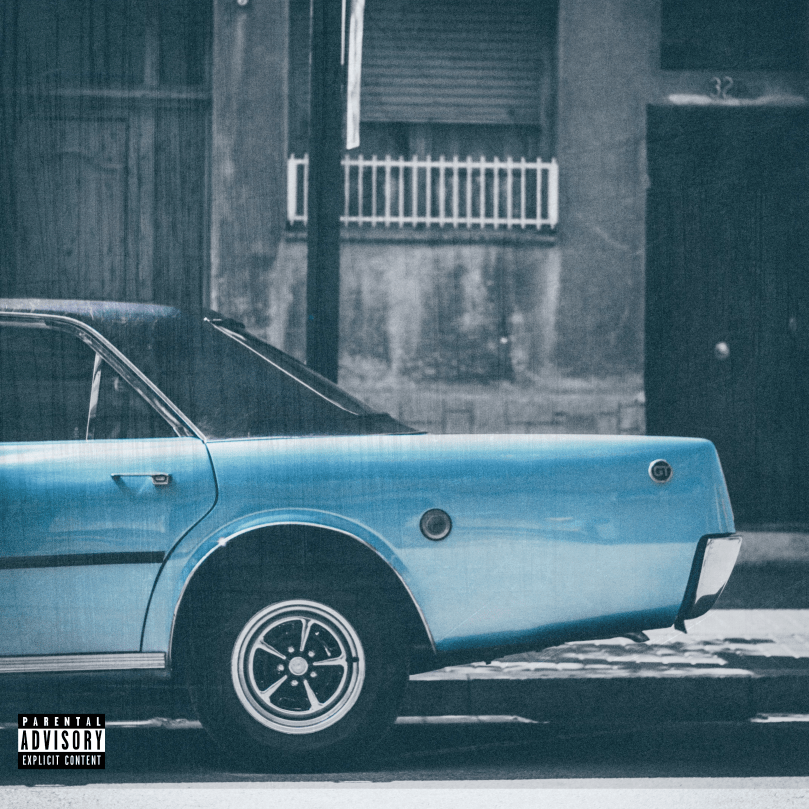
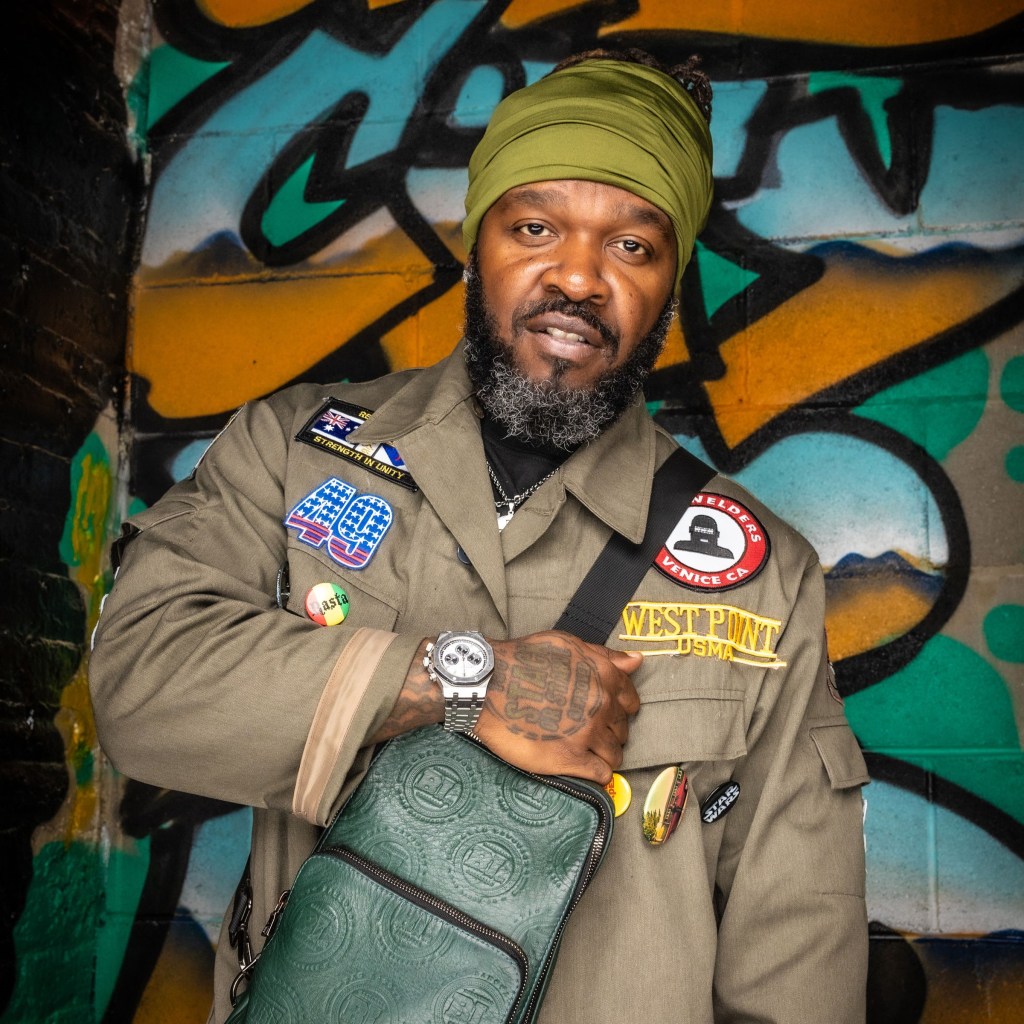
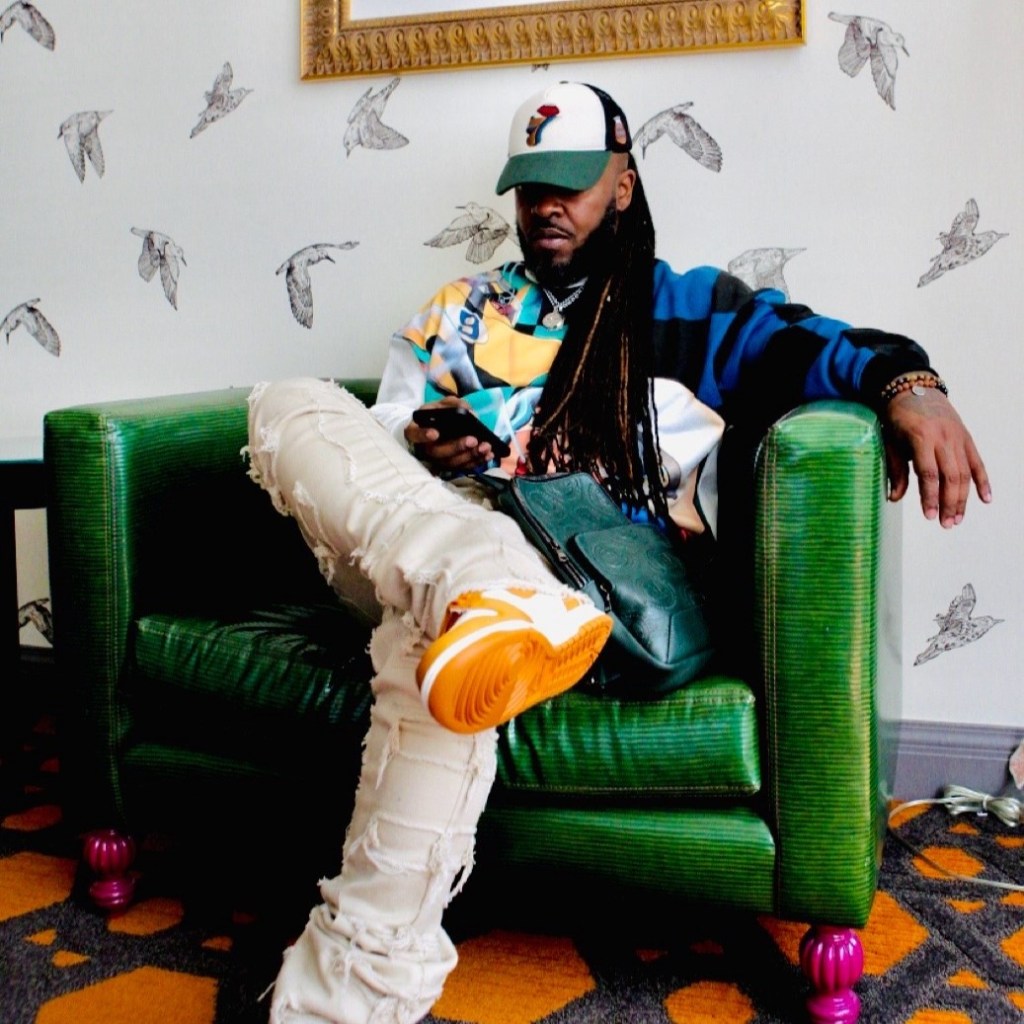
 For this edition of Rap Olympus Media, we link up with Chicago artist and producer Uncle JoHN III to discuss his latest release, “Southafora 2.” Join us as Uncle JoHN III dives deep into the heart of his creative process, the inspiration behind his music, and what success means on his own terms. From navigating the Chicago music scene to staying true to his vision, this interview offers a look into the mind of a truly unique voice in Hip-Hop.
Let’s talk about your new project, “Southafora 2.” What headspace were you in when creating this project? What story were you trying to tell that maybe you didn’t in the first one?
Southafora 2 came from a more reflective space. The first one was about raw expression—establishing a sonic identity. This one’s more intentional. I wanted to revisit those same themes—diaspora, duality, movement—but with more maturity and detail. I was processing growth, loss, and joy, all layered in a way that felt honest. It’s not just a sequel; it’s a progression.
Chicago’s underground scene is layered—gritty, soulful, experimental. How has the city shaped your sound and your identity as a producer?
Chicago is in my DNA. The grit, the beauty, the range—it’s all there. We’ve got footwork, jazz, house, gospel, drill—it’s like growing up inside a sonic kaleidoscope. That kind of environment teaches you to respect tradition but break rules. It’s why I never feel boxed in. The city gives you the freedom to find your own lane.
Your beats often feel like they’re speaking a language of their own. What’s your process when you start a track? Is it emotion, texture, samples, or something more abstract that leads the way?
It’s emotion first, always. Then SAMPLES lol. I might hear a texture or a sound that triggers a memory or a mood, which becomes the spine of the track. Sometimes, it’s a sample that pulls me in, but more often, it’s a feeling I can’t quite name yet. I just follow it until it becomes something real.
What sound or sample are you currently obsessed with, and what draws you to it?
Lately, I’ve been digging into international vibes more and analog synths that have imperfections—like old Prophet or Juno patches that wobble a bit. That kind of instability feels human, almost like the sound is breathing. Also, African vocal samples—something about the rhythm and spirit in those voices just cuts through everything.
What artists or producers—living or dead—would you put in your creative lineage? Who are the ghosts in the room when you work?
J Dilla, for sure. Sun Ra. Madlib. Timbaland. Sango. There’s also a spiritual nod to Hugh Masekela and Miriam Makeba. It’s less about genre and more about fearlessness—people who heard the world differently and translated that into sound. I try to channel that same energy.
Do you believe there’s a formula for longevity in the music game, especially as a producer? What separates a moment from a legacy?
No formula, but I think consistency, curiosity, and integrity matter. A moment is about what’s hot right now—a legacy is about what still speaks when the trend is gone. Legacy takes patience and a deep understanding of self. I’m in this for the long arc.
How do you approach collaboration in the studio? What makes a session magical, and what kills the vibe instantly?
Vibe is everything. The best sessions feel like conversations, not transactions. Openness, mutual respect, and listening—that’s the magic formula. What kills it? Ego. Or people trying too hard to sound like something instead of being something.
Your visuals, merch, and whole aesthetic carry a specific weight. How do fashion and visual art influence your music, and vice versa?
To me, it’s all connected. The visual language has to speak the same truth as the music. I might see a certain fabric or painting and think, “That’s what this track feels like.” I approach music like I’m designing an atmosphere—sound is one medium, but I want every piece to live in the same universe.
Do you see yourself as a multidisciplinary artist, or do you intentionally stay grounded in sound first?
Sound is home base, but I’ve never seen boundaries between disciplines. I think in textures and colors as much as in melodies and rhythms. I’m starting to lean into that more—whether that’s through film, installations, fashion—it’s all fair game.
What are some visual references—films, photographers, architecture, album covers—that are part of your current creative vocabulary?
I’m drawn to African modernist architecture—clean lines, bold forms, and cultural roots reimagined. Also, the work of photographers like Gordon Parks and Zanele Muholi. Visually, I love album covers that feel like portals—Shabaka Hutchings’ stuff, early Flying Lotus, and even older Blue Note records.
How important is it to you that an artist’s world—sound, style, visual language—all align? Is that cohesion something you build intentionally?
Extremely. The most powerful art feels like a world you can step into. Cohesion doesn’t mean sameness—it means everything speaks the same dialect, even if the words change. I build that world piece by piece, but it all comes from the same source.
Let’s talk about roots. What did your family and upbringing teach you about creativity, survival, and value?
My family taught me that creativity is a form of survival. Storytelling, music, movement—it wasn’t just for art’s sake; it was how we preserved memory, processed struggle, and celebrated joy. That foundation keeps me grounded, even when I’m experimenting.
When you hear the phrase “generational wealth,” what does it make you feel? Is that something you think about in your work and how you build?
It makes me think of freedom—freedom to create, heal, and move without scarcity. I think about ownership, especially as a Black artist. Legacy isn’t just about the catalog—it’s about what we pass down spiritually, culturally, and financially. I’m building with that in mind.
How has your definition of success changed since you started making music? What matters now that didn’t before?
Early on, success meant being seen. Now, it means being understood. It’s less about numbers and more about impact. I want the work to live beyond the hype—to matter to someone deeply, not just widely.
What’s something you’ve unlearned in the last five years—either in music, relationships or how you see the world?
I’ve unlearned the idea that I have to prove my worth constantly. There’s strength in stillness, in just being. Not every room needs to be entered, and not every opinion needs to be answered. Trusting my rhythm has been the biggest shift.
Is there a moment or memory—recent or from childhood—that you hold close as a compass for why you create?
Yeah—there’s this memory of my mom playing old vinyl records on Sunday mornings, sunlight coming through the window, everything warm and slow. That feeling—of time stretching, of connection—I chase that in every beat. It reminds me why I do this.

What does the next chapter look like for you creatively? Are there mediums, genres, or collaborations that you’re itching to explore?
I want to push into film scoring, sound installations, and architecture. I’m drawn to immersive experiences—spaces where sound becomes environment. I also want to collaborate more across continents—bridge gaps between the global South and the global city.
If you could talk to the version of yourself who just finished the first Southafora, what would you tell him?
I’d say, “Keep going. Don’t rush the unfolding. The story is bigger than you think.” I’d also tell him to rest more—some of the best ideas come in the quiet.
How do you want to be remembered in the Chicago music scene and beyond? What do you want your catalog to say when all is said and done?
I want to be remembered as someone who built bridges between sounds, cultures, and generations. Someone who pushed the craft forward while honoring where we came from. I want the catalog to feel like a time capsule and a prophecy.
What are you most afraid of creatively—and what excites you most?
I’m afraid of getting too comfortable. That’s the enemy of growth. But I’m excited about expansion—about reaching new people, new mediums, new truths. That’s the real thrill.
“Southafora 2” is now available on all digital streaming platforms. Tap in today! For more music-related news and all future releases, follow Uncle JoHN III by clicking the links below.
APPLE MUSIC | SPOTIFY | YOUTUBE
 Rap Olympus Media
Dope Read S/O Uncle JoNH III and tap in to that Southafora 2on all DSPs.
LikeLike